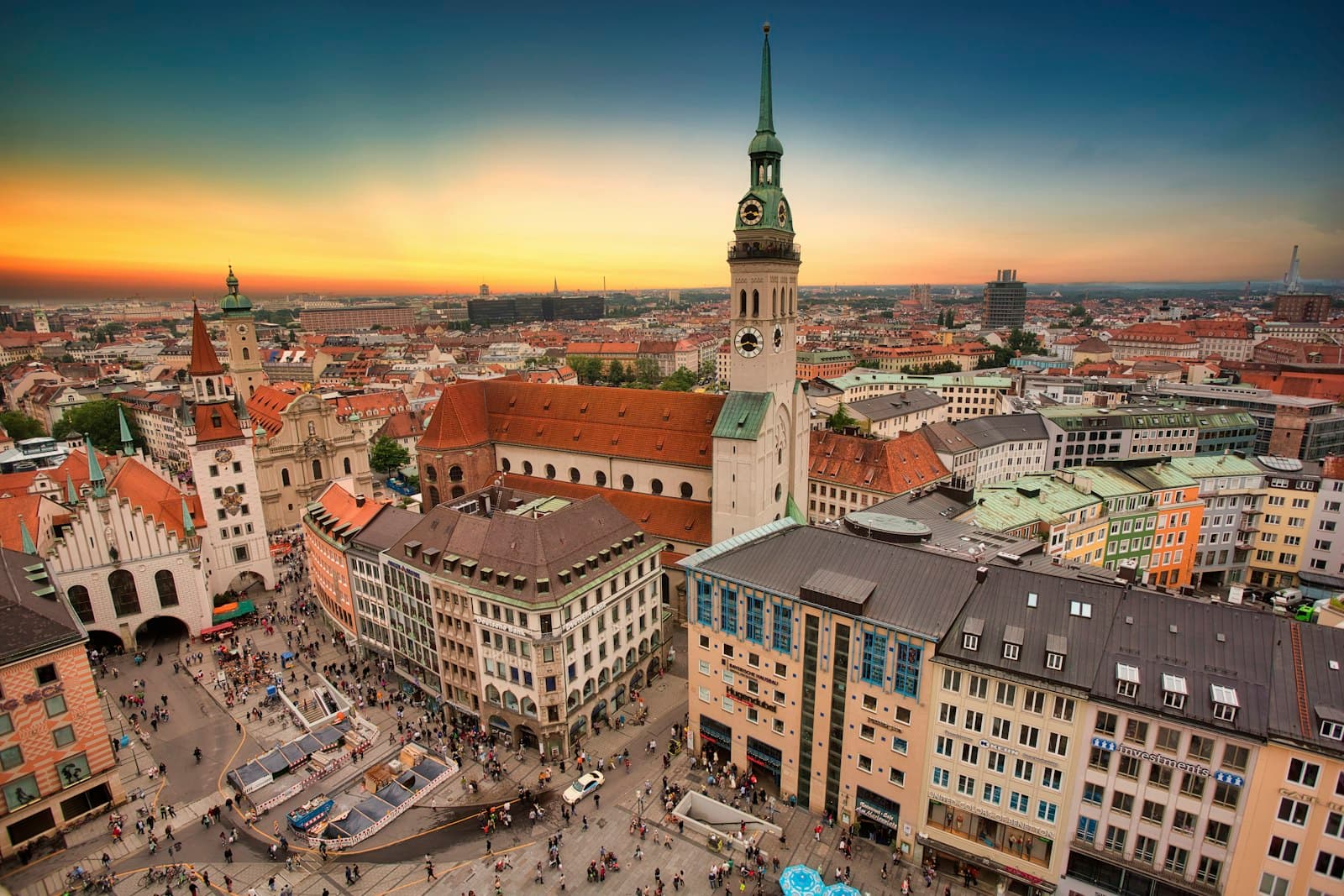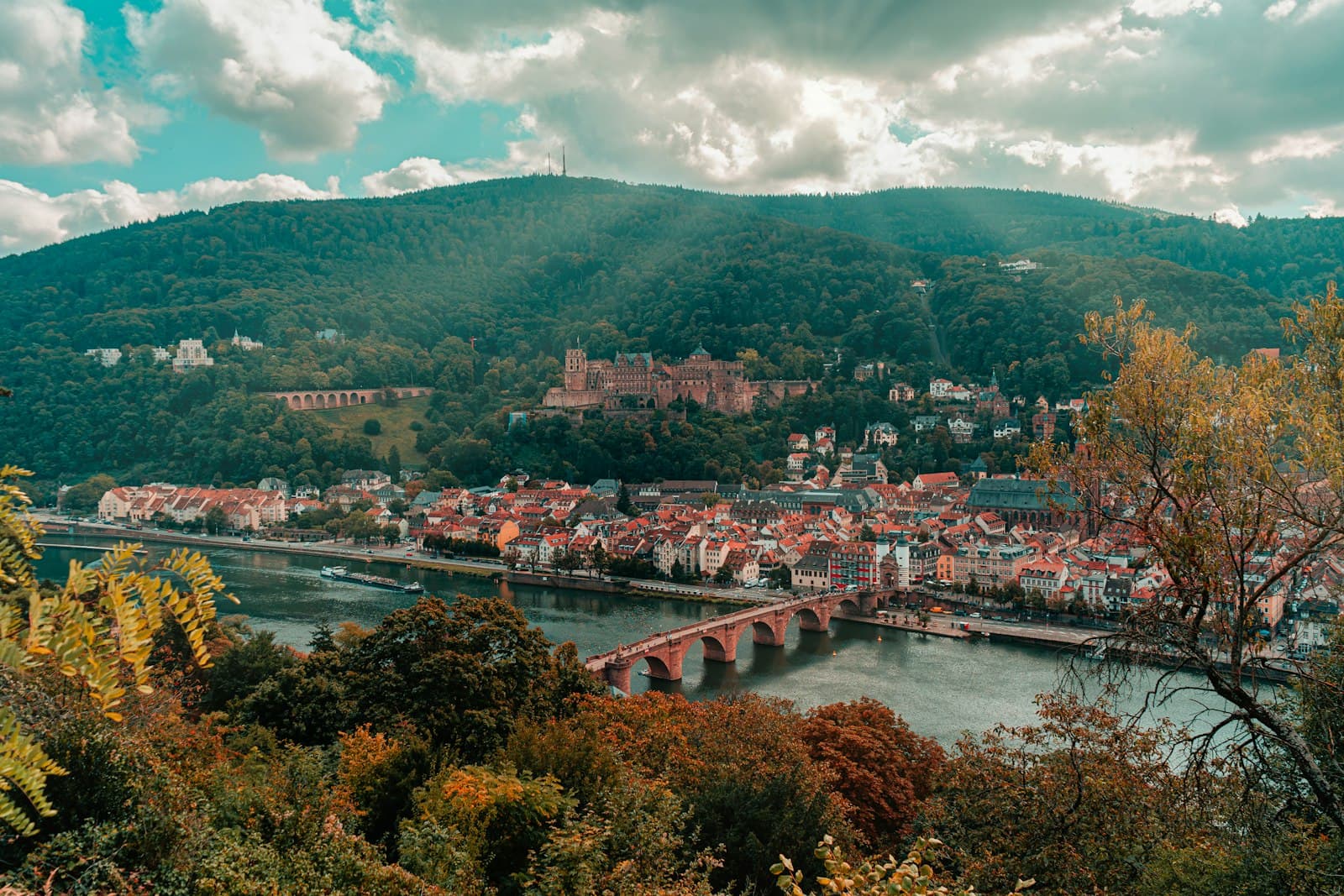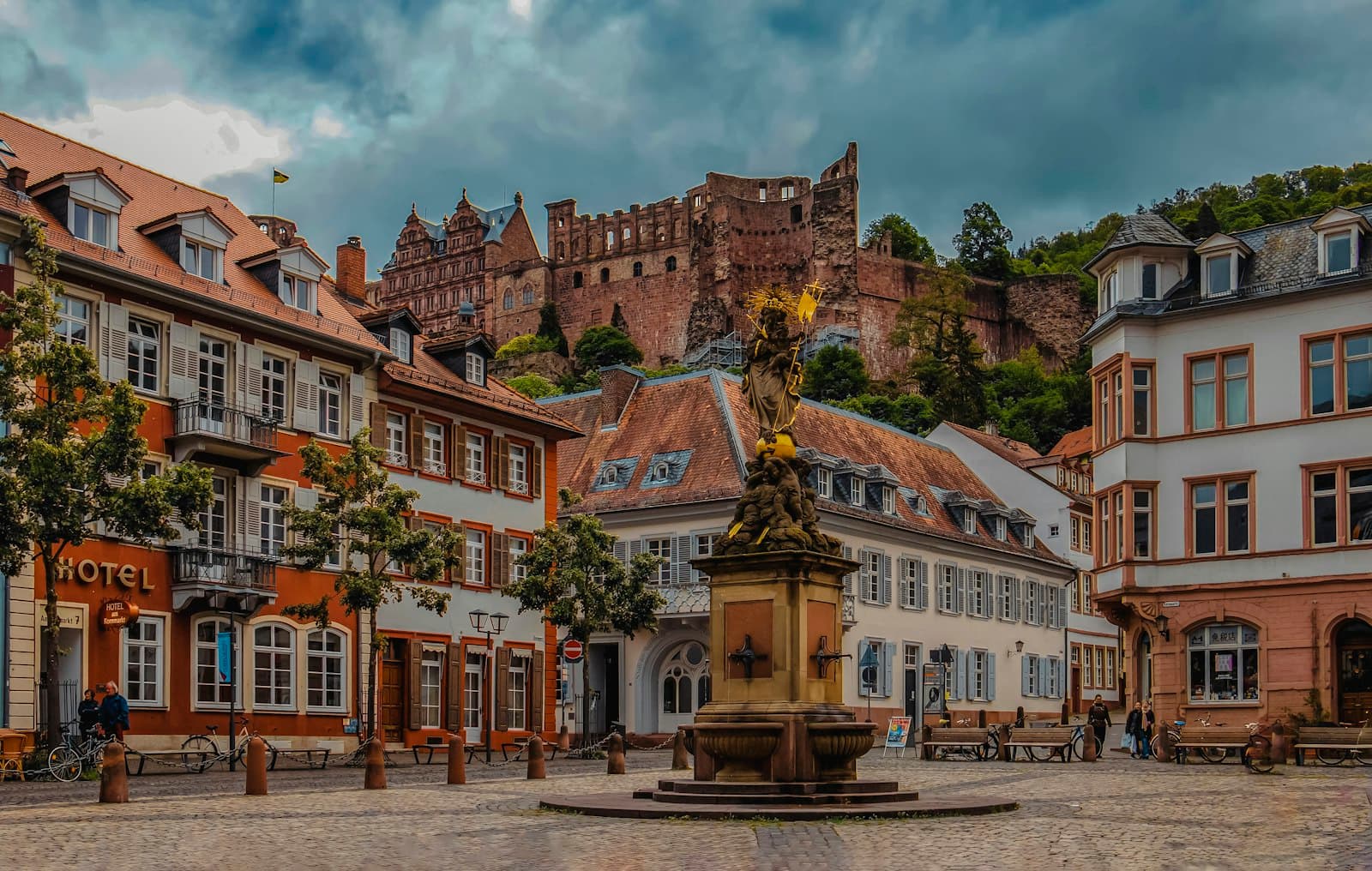
You do not need a political science degree to move to Germany, but you should understand the system, because politics here directly shapes visas, citizenship and the job market. Here is the clear, non-partisan version for an incoming Indian student.
How the system works (briefly)
- Federal republic: 16 states (Laender) with real power, especially over education. This is why university and some rules differ by state.
- The Bundestag is the federal parliament; the Chancellor (currently Merz) leads the government, not the President, who is largely ceremonial.
- Coalitions are the norm. No single party usually governs alone, so policy is a negotiated compromise, which makes it relatively stable and predictable.
The main parties, in one line each
| Party | Lean |
|---|---|
| CDU/CSU | Centre-right, pro-business, currently leading the government |
| SPD | Centre-left, social democratic, junior coalition partner |
| Greens | Centre-left, climate-focused, now in opposition |
| AfD | Far-right, anti-immigration, in opposition |
| FDP / Left | Pro-market liberals / left-wing, smaller forces |
What the 2025 turn means for you
The current government has tightened irregular migration: more border checks, faster rejection of asylum claims (India is treated as a "safe country", which is why asylum is never a route for Indians). But here is the crucial part: this crackdown targets illegal migration, not legal skilled workers and students. The same government keeps the Opportunity Card, the Blue Card and the India-Germany mobility partnership because the economy cannot function without foreign talent. See also are Indians being deported.
The one concrete change to know: citizenship
The 500 billion euro story is political too
The same government reformed the constitutional debt brake to fund a historic 500 billion euro infrastructure and climate package plus higher defence spending. That political decision is what is driving demand in energy, construction, IT and health, see the German economy explained.
FAQ
Is Germany becoming anti-immigrant?
Politics has hardened on irregular migration and asylum, but legal skilled-worker and student routes remain open and actively promoted, because the economy depends on them.
Does the AfD's rise affect my visa?
The AfD is in opposition, not government. Visa and skilled-worker policy is set by the governing CDU/CSU and SPD, which continue to recruit legal talent.
Should politics change my decision to study in Germany?
For legal students and skilled workers, the fundamentals, free or low tuition, post-study work, shortage-driven demand, remain strongly in your favour.
Worried how a policy change affects your specific case? Ask a mentor for ₹500 →