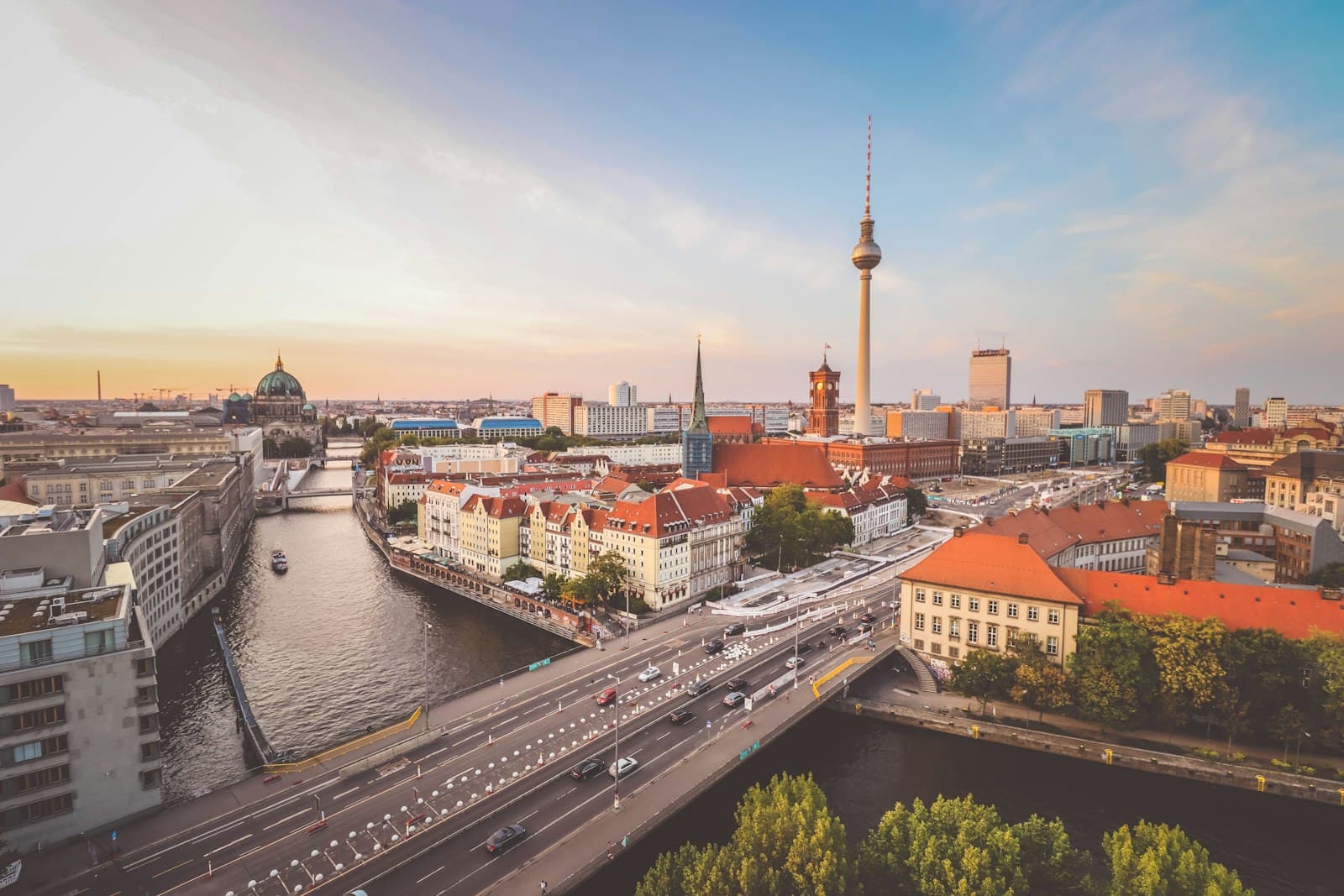
I'm writing this from a café in Kreuzberg, Berlin, on a grey Tuesday, and there's a sentence I still can't quite believe is true: this is home now. Six years ago I was a kid in a Bangalore bedroom refreshing a visa portal at 2am, terrified I'd made the biggest mistake of my life. If you're somewhere in that fear right now, this is for you. I'm not going to give you the LinkedIn highlight reel. I'm going to tell you what it actually felt like.
Bangalore, and the decision nobody around me understood
I grew up in Bangalore in a regular middle-class family. Decent college, decent marks, not a topper, not a story anyone would have bet on. When I said I wanted to study in Germany, the reactions ranged from "why not the US?" to "do you even know German?" (I didn't.) An agent in a glossy office quoted my parents over a lakh to "handle everything." My father, out of sheer relief, almost said yes.
I asked the agent one question, how many universities on his list were free public ones, and he started talking about "premium private partners." That was the moment something hardened in me. I went home and decided I'd do it myself, the honest way, even if it was harder. It was harder. It was also the best decision I've ever made.
The grind nobody romanticises
The application year was not glamorous. It was the APS certificate, then DAAD evenings building a shortlist, then uni-assist forms, then a blocked account that I was convinced I'd somehow get wrong. I wrote a motivation letter that was, honestly, embarrassing at first, all grand words and no soul, until a senior I cold-messaged told me to throw it out and write about one real thing I'd actually built. I got rejections. I got "maybes." I got one yes that mattered.
The winter that almost broke me
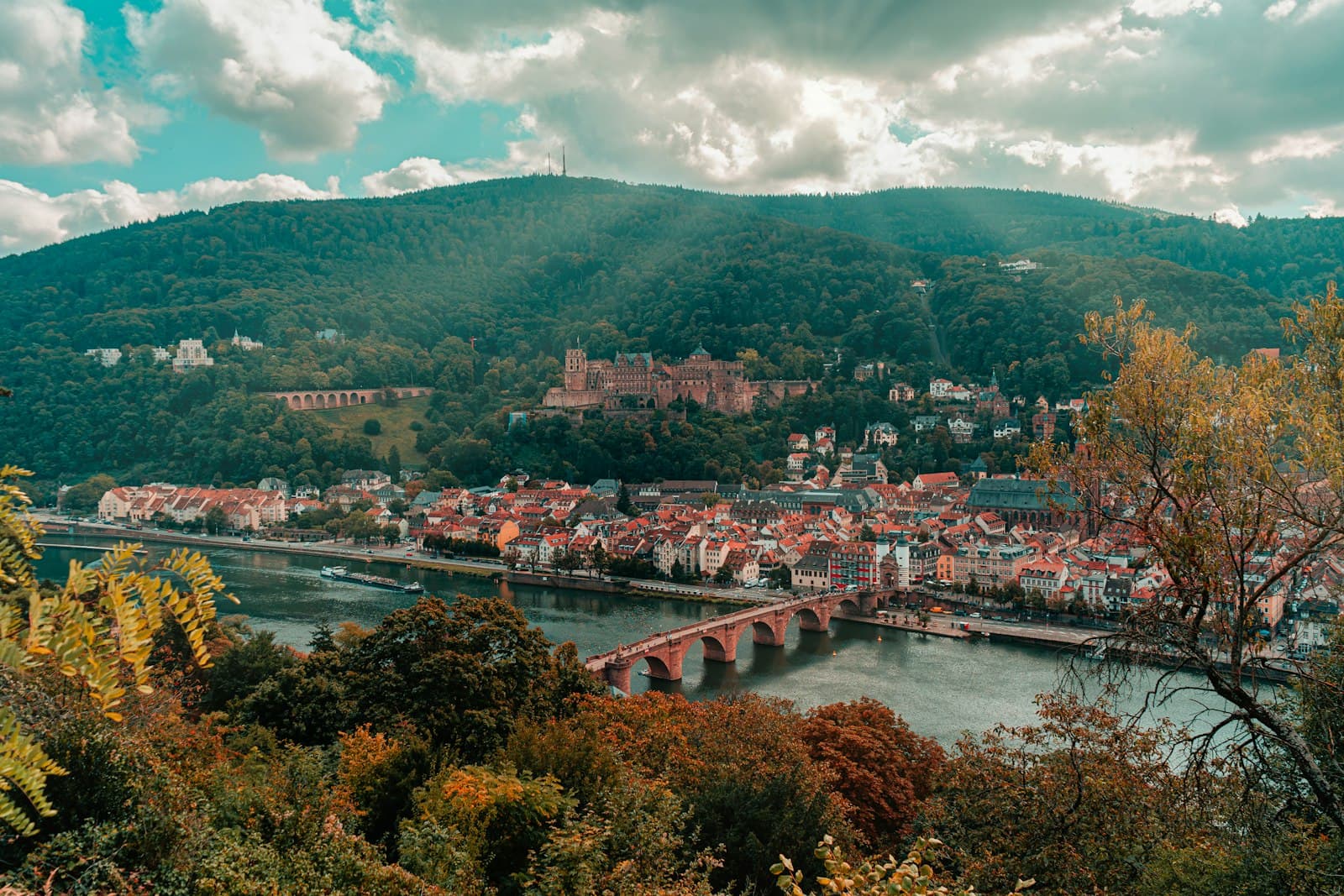
Here's the part the airport selfies never show. I landed in Ulm in January. The sky went dark at 4pm. I understood maybe 30% of what anyone said. I ate a lot of instant noodles, sat through lectures in a fog, and called home pretending I was thriving. For the first two months I was profoundly, logistically lonely, not because anything was wrong with me, but because I had deleted my entire social world overnight and had to rebuild it from zero in a language I didn't speak.
What pulled me out wasn't motivation. It was small systems: I forced myself to one social thing a week, joined a football Verein, cooked for my flatmates, and kept grinding German for 30 minutes a day. By spring, Ulm had stopped being a place I was surviving and started being a place I lived. If you want the playbook I wish I'd had, it's all in how not to be lonely in Germany.
The first real break
In my second semester I landed a Werkstudent role, part-time, in my field, at a company that actually trusted me with real work. It paid my rent, but more importantly it taught me how German workplaces think, and it gave me the confidence that I could build things here. My German went from survival phrases to actual conversations. People started to feel like friends instead of strangers.
From employee to founder
The idea for RiDERgy came out of a problem I kept seeing in the energy and EV space, something I'd never have spotted from India, and could only see because I was inside the German system, with the language, the network and the work experience. Founding a startup as an immigrant is its own mountain, the bureaucracy, the funding conversations in a second language, the impostor voice that never fully shuts up. But Germany, for all its paperwork, is genuinely a place where an outsider with a real idea and a recognised degree can build something. I did. It's still hard. It's also mine.
Becoming a Berliner
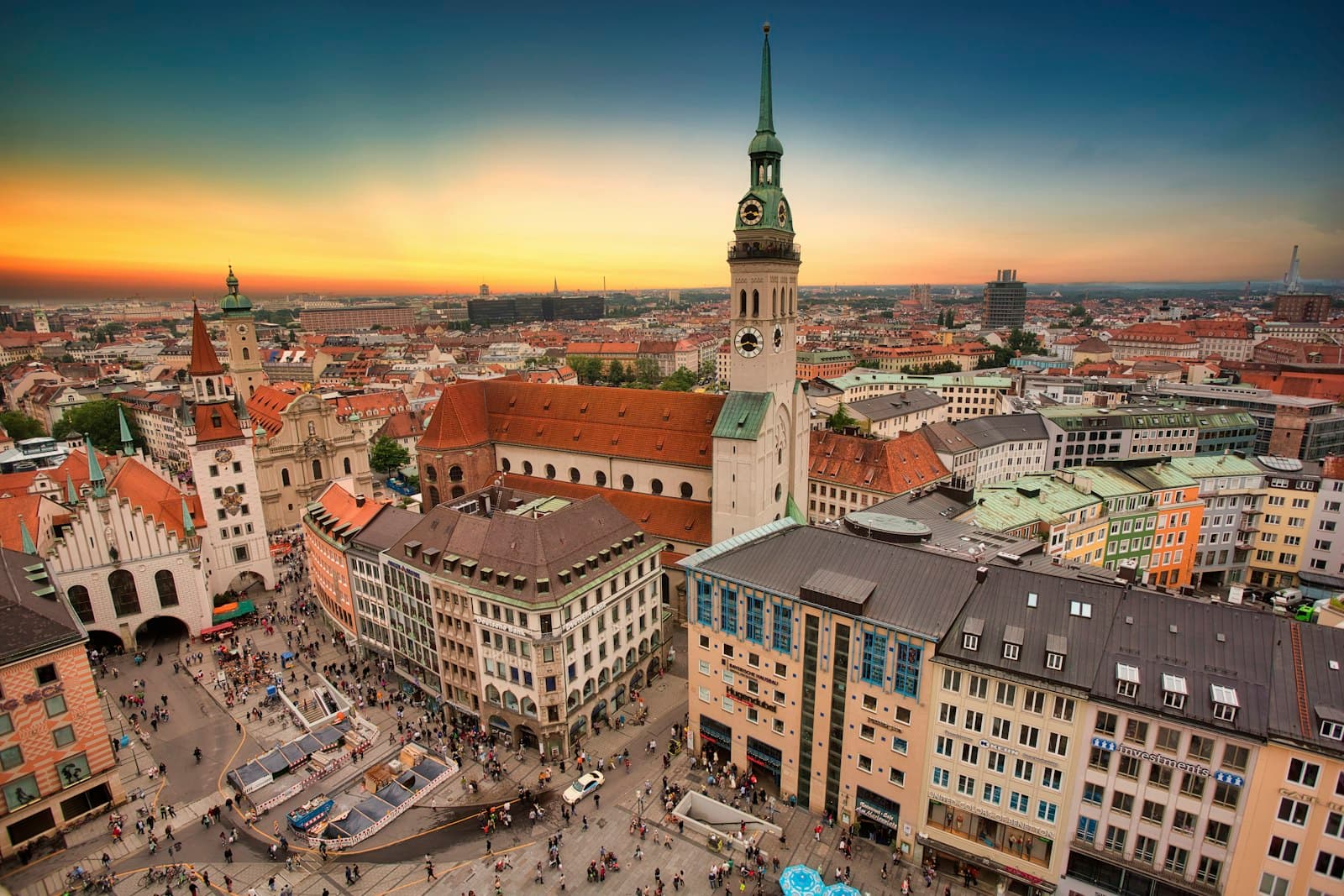
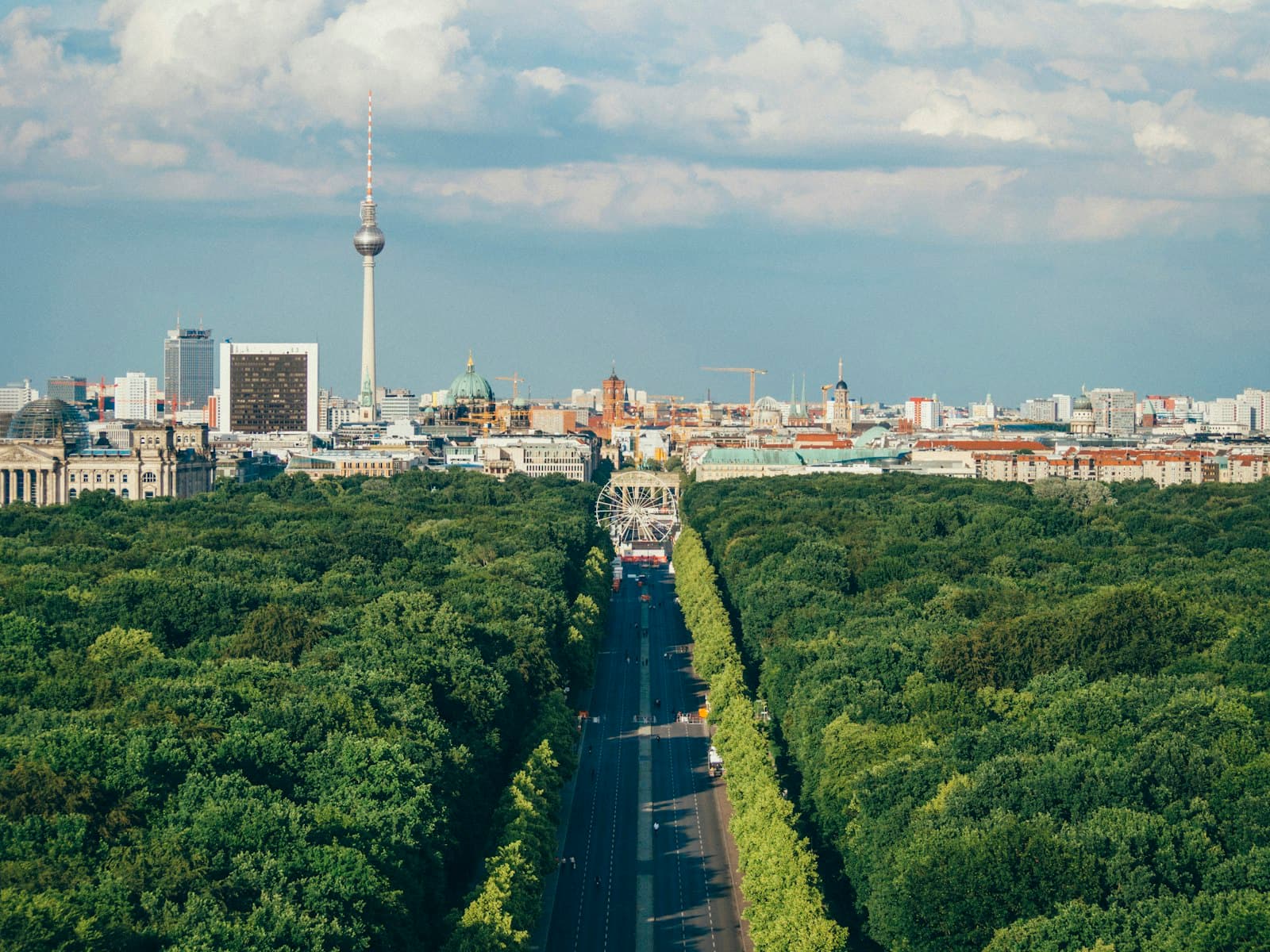
When I finished at Ulm, I moved to Berlin to build RiDERgy, and somewhere along the way the switch flipped. I stopped translating my life back into "what would this be in Bangalore" and just… lived it. I have a favourite bakery now. I argue about U-Bahn lines. I miss Bangalore deeply and I belong to Berlin completely, and I've learned those two things can be true at once. That's what nobody tells you about this journey: you don't lose your old home, you grow a second one.
If you're standing where I stood
You don't need to be a topper. You don't need a rich uncle or an expensive consultant. You need an honest plan, a bit of stubbornness, and someone who's walked the exact path to tell you which fears are real and which are just noise. I came from a Bangalore bedroom with two suitcases. You can do this too, and you don't have to do it alone.
Want me in your corner? Book a call with me → Or read the honest guides first and come back when you're ready.