Everyone quotes you rent and the blocked account. Almost nobody tells you what a bar of soap, a beer, or a bike repair actually costs day to day. So here is the honest price list, in euros, for the small stuff that quietly makes up your monthly budget.
Groceries (typical discounter prices)
| Item | Typical price |
|---|---|
| Milk (1L) | €0.90 to €1.30 |
| Bread / loaf | €1.20 to €2.50 |
| Eggs (10) | €2.00 to €3.00 |
| Rice (1kg) | €1.80 to €3.00 |
| Pasta (500g) | €0.70 to €1.50 |
| Chicken breast (1kg) | €7.00 to €10.00 |
| Potatoes (1kg) | €0.80 to €1.50 |
| Onions (1kg) | €0.90 to €1.60 |
| Bananas (1kg) | €1.10 to €1.60 |
| Apples (1kg) | €2.00 to €3.50 |
| Tomatoes (1kg) | €1.80 to €3.50 |
| Lentils / dal (500g) | €1.50 to €2.50 |
| Cooking oil, sunflower (1L) | €2.00 to €3.50 |
| Coffee (250g) | €3.50 to €6.00 |
Prices vary by item, season and store, fruit and meat are the big swings (bananas are cheap, apples and berries are not; chicken adds up fast). A single person cooking most meals at home spends roughly €120 to €200 a month, and a careful, mostly-vegetarian cook shopping at Aldi or Lidl can stay near €100 to €150. Eating a lot of meat, cheese, fruit and packaged food, or feeding a family, pushes it higher. Aldi and Lidl are cheapest; REWE and Edeka cost a bit more but stock more; "Bio" (organic) is pricier. Indian groceries are easy to find in cities and online.
Toiletries & cleaning
| Item | Typical price |
|---|---|
| Shower gel / soap | €1.00 to €3.00 |
| Shampoo | €1.50 to €4.00 |
| Toothpaste | €1.00 to €2.50 |
| Deodorant | €1.50 to €3.50 |
| Laundry detergent (large) | €4 to €8 |
| Dish soap / surface cleaner | €1.00 to €2.50 |
| Toilet paper (10 rolls) | €3 to €6 |
| Laundromat wash + dry (if no machine) | €4 to €7 per load |
Drugstores dm and Rossmann are where everyone buys toiletries and cleaning supplies cheaply.
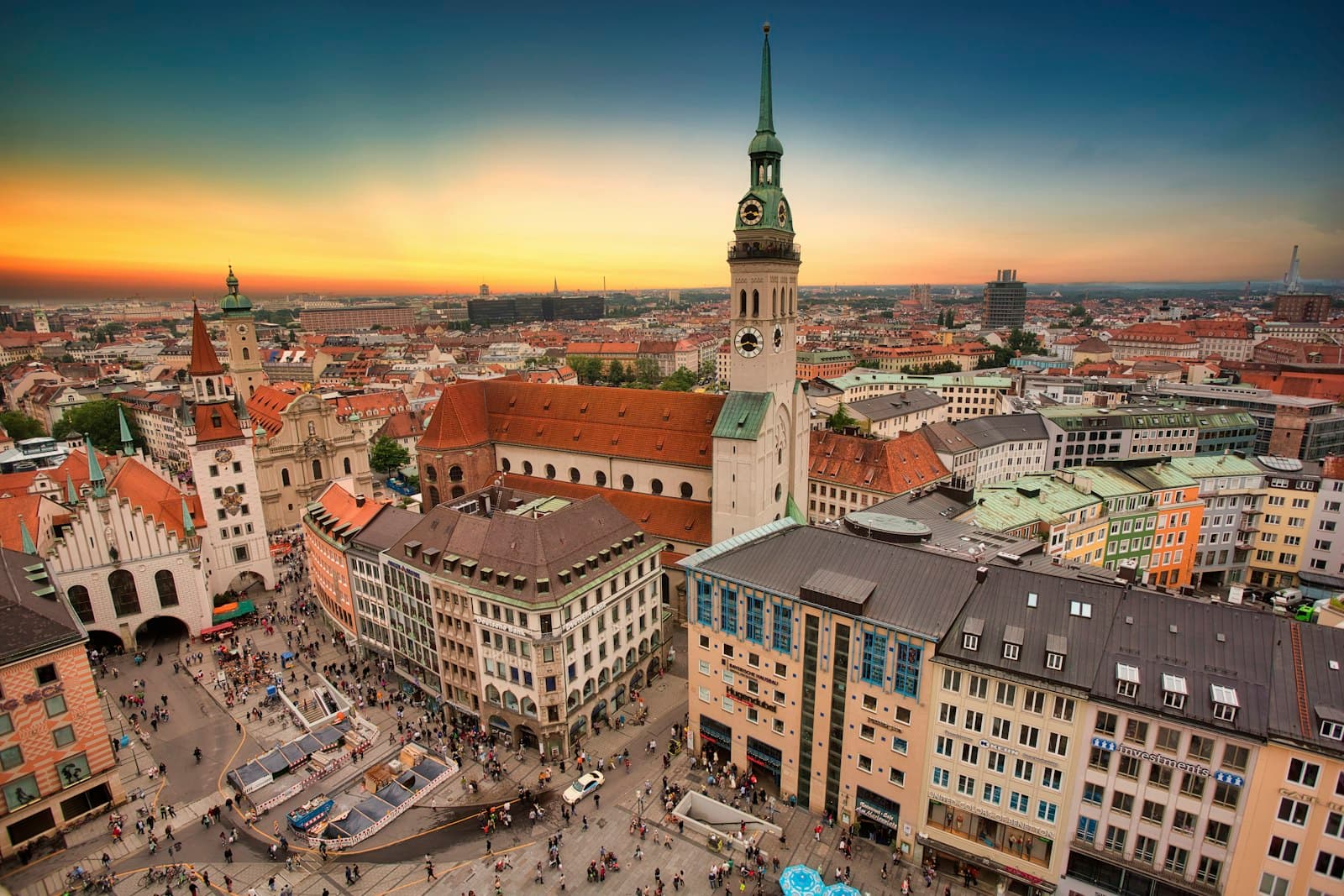
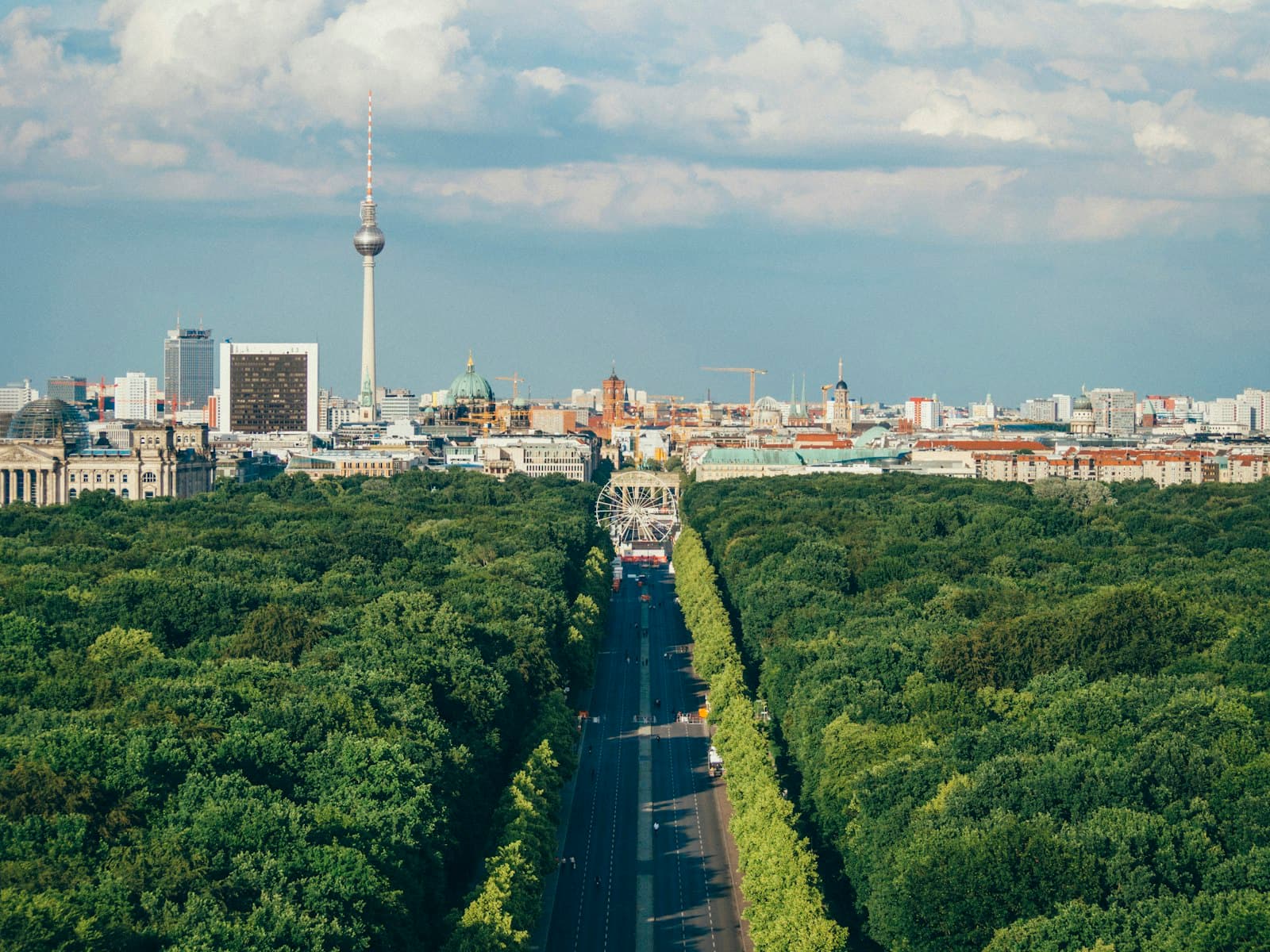
Eating out, beer and a night out (this DOES vary by city)
| Item | Smaller city | Berlin | Munich |
|---|---|---|---|
| Beer in a bar (0.5L) | €3.50 | €4.50 | €5.00+ |
| Beer from supermarket (0.5L) | €0.80 to €1.20 (nationwide, plus a small Pfand deposit you get back) | ||
| Döner kebab | €6 | €7 | €7.50 |
| Simple restaurant meal | €10 to €13 | €12 to €16 | €14 to €18 |
| Coffee in a café | €3 | €3.50 | €4 |
| A night out (drinks + entry) | €20 to €30 | €30 to €50 | €40 to €60 |
Study, getting around, and gear
| Item | Typical price |
|---|---|
| Notebook | €1 to €3 |
| Printing (per page, black and white) | €0.05 to €0.10 |
| Second-hand bike | €60 to €130 |
| New basic bike | €250 to €400 |
| Bike repair (typical) | €20 to €50 |
| Trainers / shoes | €40 to €80 |
| Pack of socks / t-shirt | €5 to €12 |
| Warm winter jacket | €60 to €150 |
| Mobile prepaid plan (monthly) | €9 to €20, see SIM guide |
| Budget / mid laptop | €500 to €900 |
| Phone screen repair | €60 to €150 |
FAQ
Do groceries cost more in Munich than Berlin?
Barely. Packaged groceries and household goods cost about the same nationwide because of the same chains. What really differs by city is rent and going out (bars, restaurants), where Munich is clearly pricier.
How much is a beer in Germany?
Around €0.80 to €1.20 from a supermarket (plus a refundable deposit), or €3.50 to €5+ in a bar depending on the city.
Where do students buy toiletries and cleaning supplies?
Drugstores dm and Rossmann are the cheap, standard choice across Germany.
Build your full monthly number, including these, in the cost calculator, or ask a mentor for ₹500 what their real month looks like.