Studying in Europe means a dozen countries are a cheap weekend away, if you know how locals and students actually travel. This guide works whether you are based in Germany, France or anywhere in the EU. (Rough rupee conversion: multiply euros by about 110.)
Budget airlines (the long hops)
- Ryanair, easyJet, Wizz Air, Vueling, Transavia fly between European cities for as little as €15 to €50 if you book early.
- The catch is the fees: the cheap fare includes only a small bag. Pay only for what you need and pack within the free cabin-bag limit to keep it cheap.
- Fly to/from smaller secondary airports (often cheaper), and check the airport is not far from the city.
- Use Skyscanner or Google Flights with flexible dates and "explore everywhere" to find the cheapest destination, not just the cheapest date.
Buses (the cheapest, and overnight)
- FlixBus blankets Europe; fares are very cheap and often run overnight, saving you a night's accommodation.
- BlaBlaCar Bus is another cheap operator; compare both.
- Great for shorter hops and tight budgets; slower but you sleep through it.
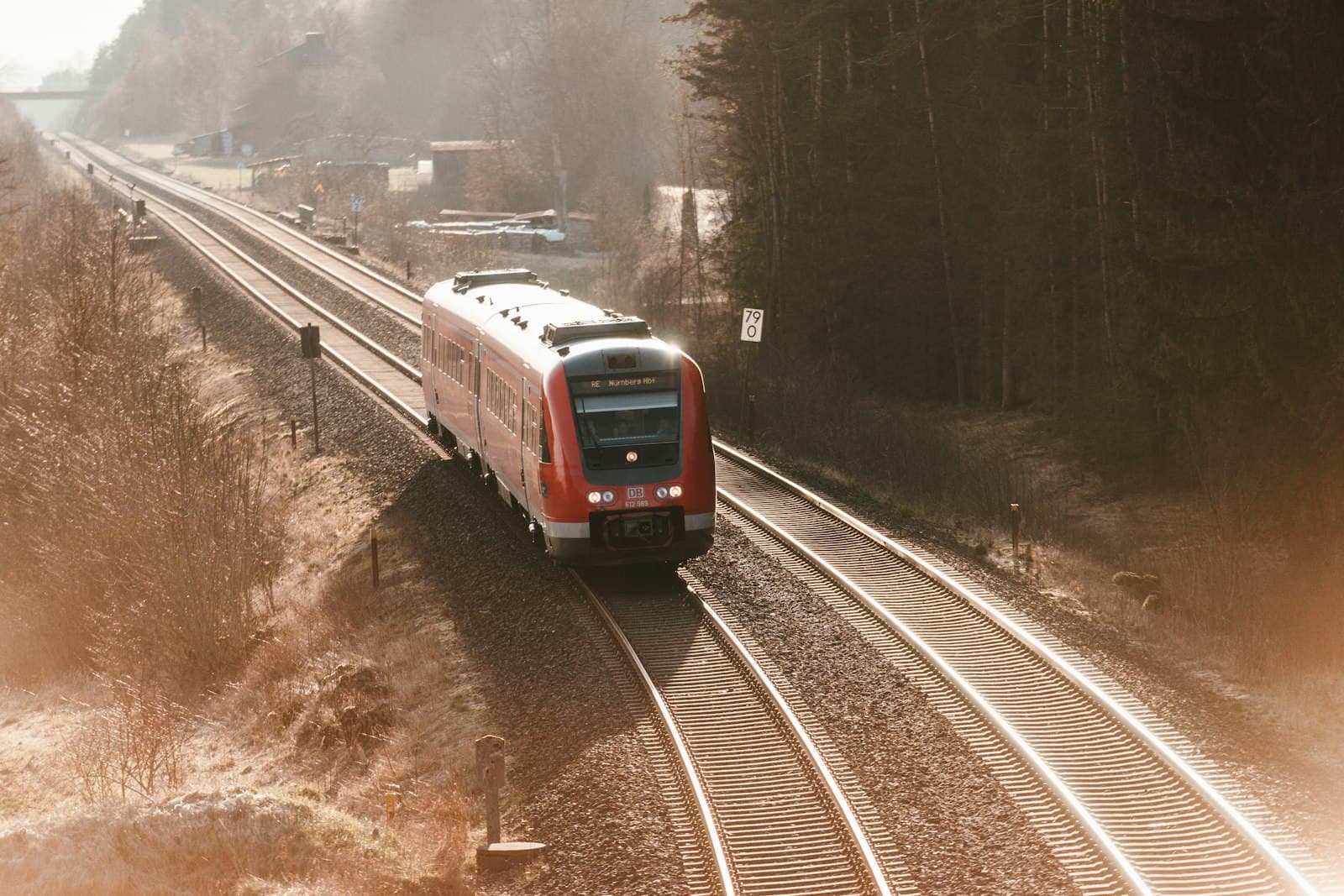
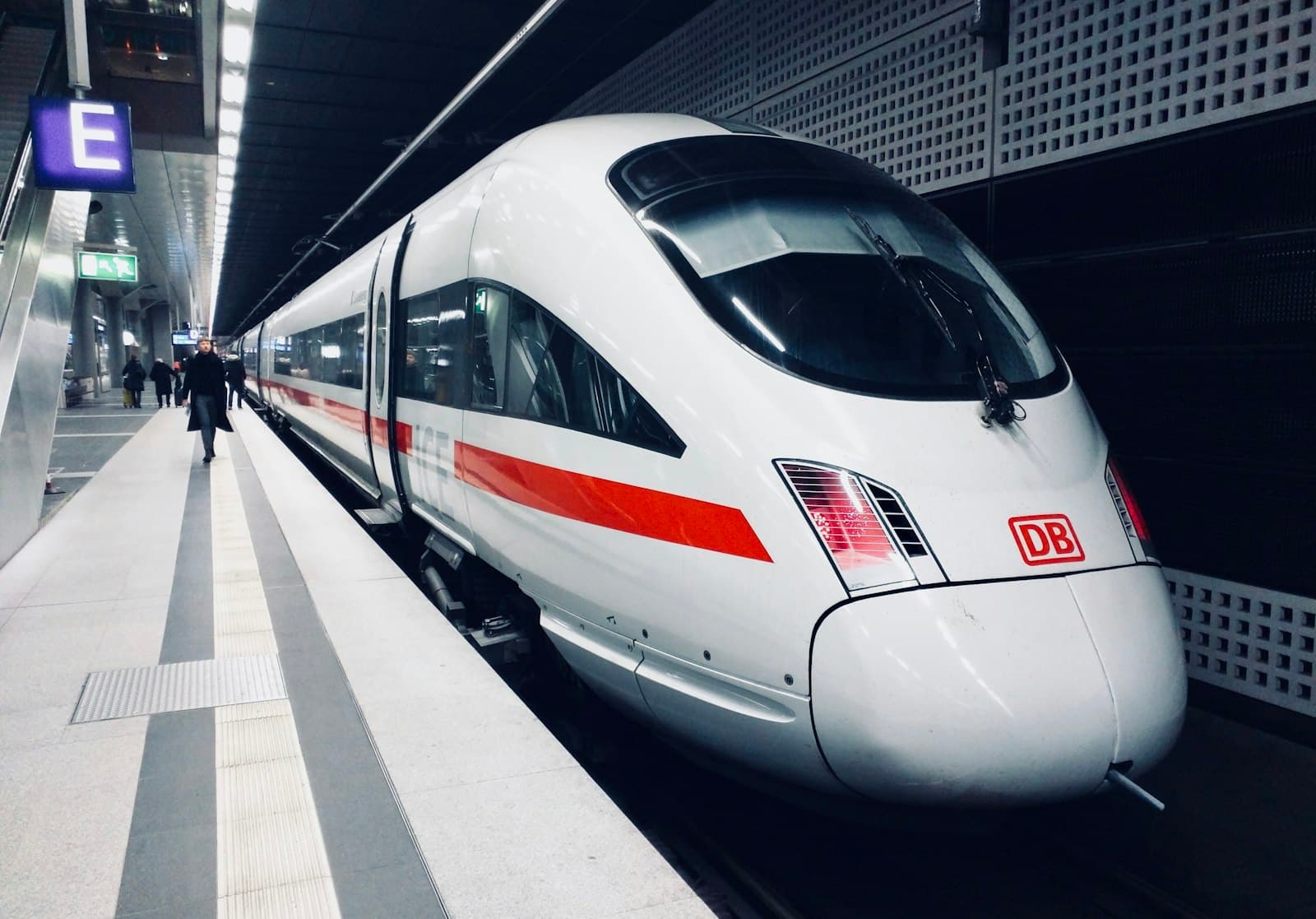
Trains (comfort and speed)
- Book early, train fares jump close to the date. Saver fares (Sparpreis in Germany, Prem's/OUIGO in France) are cheap if booked weeks ahead.
- Regional and group tickets are huge savings, see Germany's Deutschlandticket, which even covers slow cross-border-ish regional travel within Germany.
- Interrail pass can be worth it for a multi-country trip; do the maths against point-to-point fares first.
- OUIGO (France) and other low-cost high-speed services offer cheap seats if booked early.
Car-sharing and other tricks
- BlaBlaCar (ride-sharing with drivers going your way) is cheap, social and flexible.
- Travel midweek and off-season for the lowest prices on everything.
- Stay in hostels (Hostelworld), book dorm beds, or use student-friendly stays; cook some meals.
- Free walking tours, student/under-26 discounts on museums and transport, and city tourist cards.
- Schengen means no border hassle for short trips once you have your residence permit, carry it plus your passport.
A sample cheap weekend
An overnight FlixBus there (sleep on the bus), two nights in a hostel dorm, cooking and street food, free walking tours, and a budget flight or bus back can put a weekend in another European capital at €100 to €200 all-in. That is the magic of studying here.
FAQ
What is the cheapest way to travel in Europe?
Overnight FlixBus or BlaBlaCar buses are usually cheapest; budget airlines win for longer distances if booked early; regional rail tickets are great value.
Do I need a separate visa to travel within Europe?
With a valid residence permit from a Schengen country you can travel freely within the Schengen area for short trips. Always carry your permit and passport.
How do I find cheap flights?
Use Skyscanner or Google Flights with flexible dates and "explore everywhere", fly midweek, and stick to cabin-bag-only fares.
Planning your first Europe trip? Ask a mentor for ₹500 → for their favourite cheap routes.